Are you or someone you know living with lymphedema?
With self-care and physical therapy, the discomfort of swelling, pain, fibrosis, and infection can be controlled.
Living with lymphedema doesn’t have to be a daily battle, but rather a manageable condition where symptom improvement leads to a better quality of life.
What is the lymphatic system?
The lymphatic system is a vital part of the immune system, helping the body fight infection and maintain fluid balance. The vessels of the lymphatic system collect fluid, called lymph, and carry the lymph back to the bloodstream.
Lymphedema
A malfunction in the lymphatic system that prevents lymph from passing properly through the system. The most common type of lymphatic disease is lymphedema. Lymphedema is the accumulation of lymph in tissues of various parts of the body, but commonly in the arms or legs. Severity of the disease can vary, but it is a lifelong functional problem requiring daily maintenance and care.
2 main types of lymphedema
Primary and Secondary
Primary lymphedema is an inherited disease with a congenital defect of the lymphatic system. The lymphatic system does not develop properly, nor function properly.
Secondary lymphedema is the result of any injury, trauma, infection, or surgery that disrupts the lymphatic system either by impacting vessels or lymph nodes. Any individual whose lymphatic system has been disrupted is at future risk for the development of lymphedema.
Our Treatment Approach
Control of lymphemdema symptoms is most effective with the application of complete decongestive therapy (CDT). CDT involves these 4 components:
The skin in lymphedema is usually dry and susceptible to infection. Using a low pH lotion, without alcohol or fragrances can help maintain the moisture of the skin. Early detection of infections is important and infection treatment should be under the care of a medical provider.
Manual Lymph Drainage
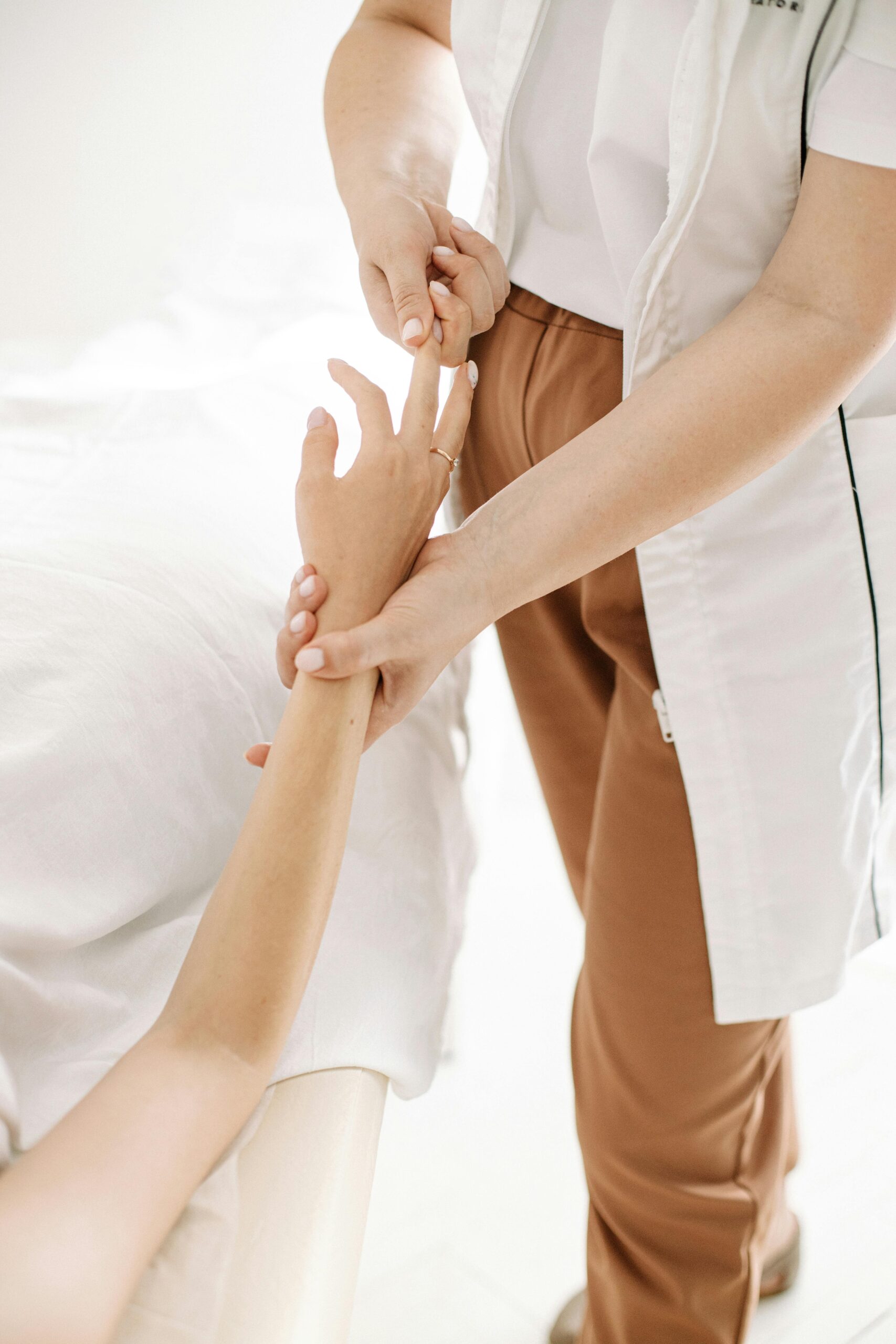
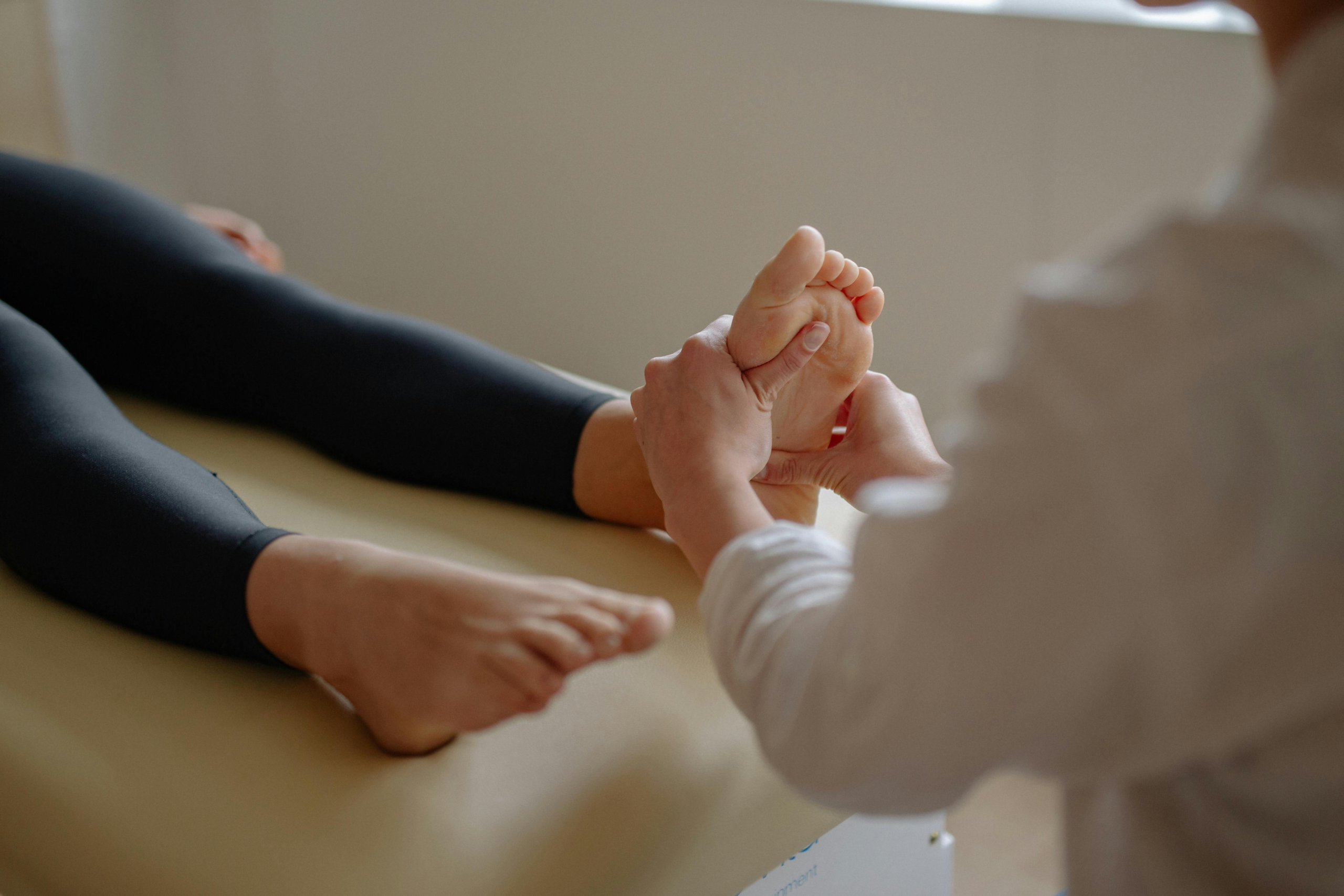
MLD re-routes lymph flow in the vessels around the blocked areas. This helps drain lymph fluid into the venous system. MLD is accomplished by applying a gentle manual treatment against the skin and muscles, which applies a gentle mechanical stretch agains the lymph vessels.
Compression therapy
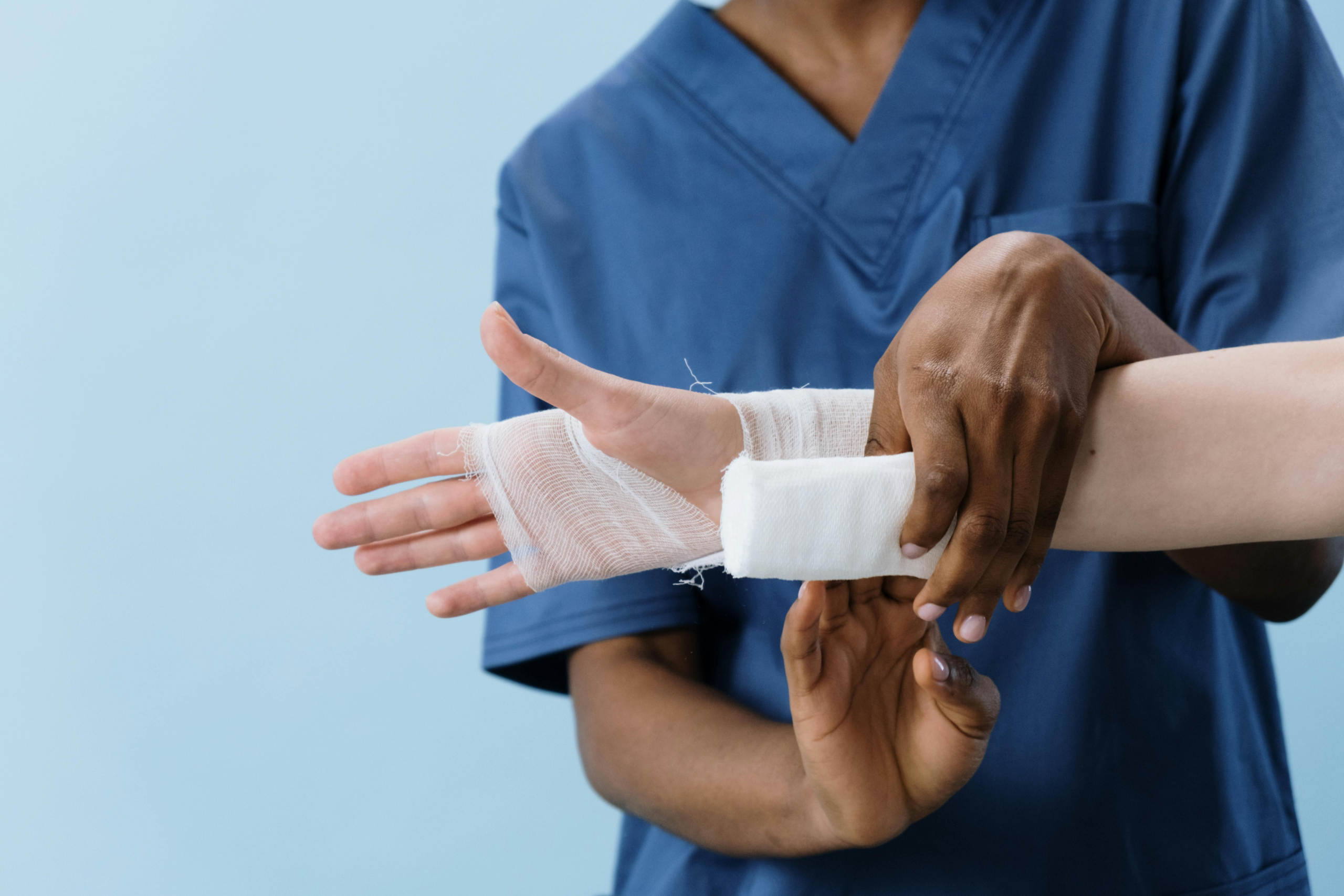
Sufficient compression with bandages is applied to the affected extremity. This helps improve the function of the muscle pumps, reduces fibrotic tissue, and promotes venous and lymphatic return. When performed between MLD sessions, this prevents the re-accumulation of lymph fluid in the tissues.
Therapeutic exercise
Customized exercise programs are developed for each patient. The exercises aid the joint and muscle pumps of the body to maintain the functional activity of the lymphatic system that were accessed during MLD.