A path to relief
Addressing Chronic Pain with Physical Therapy
Chronic pain is defined as pain that has lasted for longer than 3 months. Over time, chronic pain can make daily activities difficult and may also lead to other issues such as anxiety and depression.

How we can help
Physical therapy is a holistic approach to pain care
Physical therapy focuses on pain reduction and relief by focusing on gentle movement and exercise, strength, function, and pain education. Our goal is to treat the root cause of the pain, not just the symptoms.
Our methods
Movement and Exercise
Chronic pain can make people fearful to move, fearing the pain or of worsening their condition. Physical therapy uses gentle, guided movement to reduce the fear, while targeted exercise builds strength and stamina in the body to enhance function and prevent further injury.
Manual Therapy
Physical therapists often use joint mobilizations and soft-tissue massage to reduce muscle tension, improve circulation, and restore normal movement. This also helps reduce pain.
Pain Neuroscience Education
Pain is a normal part of the human body. Understanding pain and how your body experiences pain is key to the lasting benefits of physical therapy. Using pain education, we focus on your individual experience and teach you how to effectively manage your pain symptoms. Research shows that when people understand their pain and understand how pain works in the body, they experience more optimism and hope, and reductions in fear and pain.
Our Process
Your treatment plan is custom-tailored and individualized, but shares these common parts:

Initial Evaluation
An opportunity for you to share your experiences, and ask and answer questions. If you were sent a questionnaire to complete, we’ll review your responses during the evaluation time. We will also take a variety of measurements and observations based upon your symptoms.

Individualized Exercise and Movement
Taking the evaluation information and your symptom history into consideration, an individualized treatment plan is developed. The plan will include, but may not be limited to, gentle exercise and movement. Examples include motor control exercise, stretching, strengthening, and core stabilization. Exercise and movement are guided by your symptom response and capability.
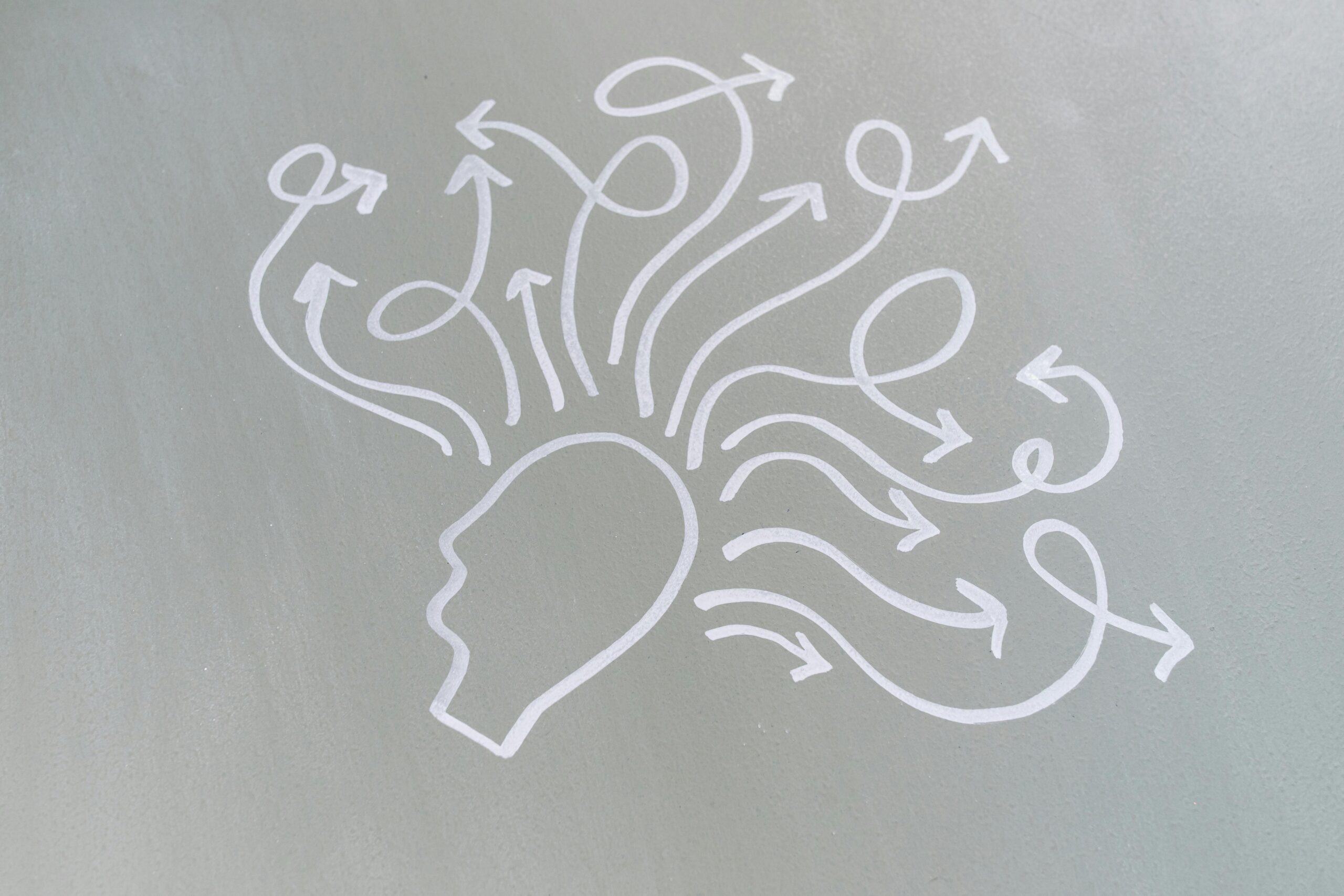
Pain Neuroscience Education (PNE)
Understanding exactly what pain is, and how it works within the body is an important part of your treatment plan. With PNE you’re introduced to what pain signals are, how they work, what they can do for you, and how to work with them and tame them when they’re activity overwhelms your system.
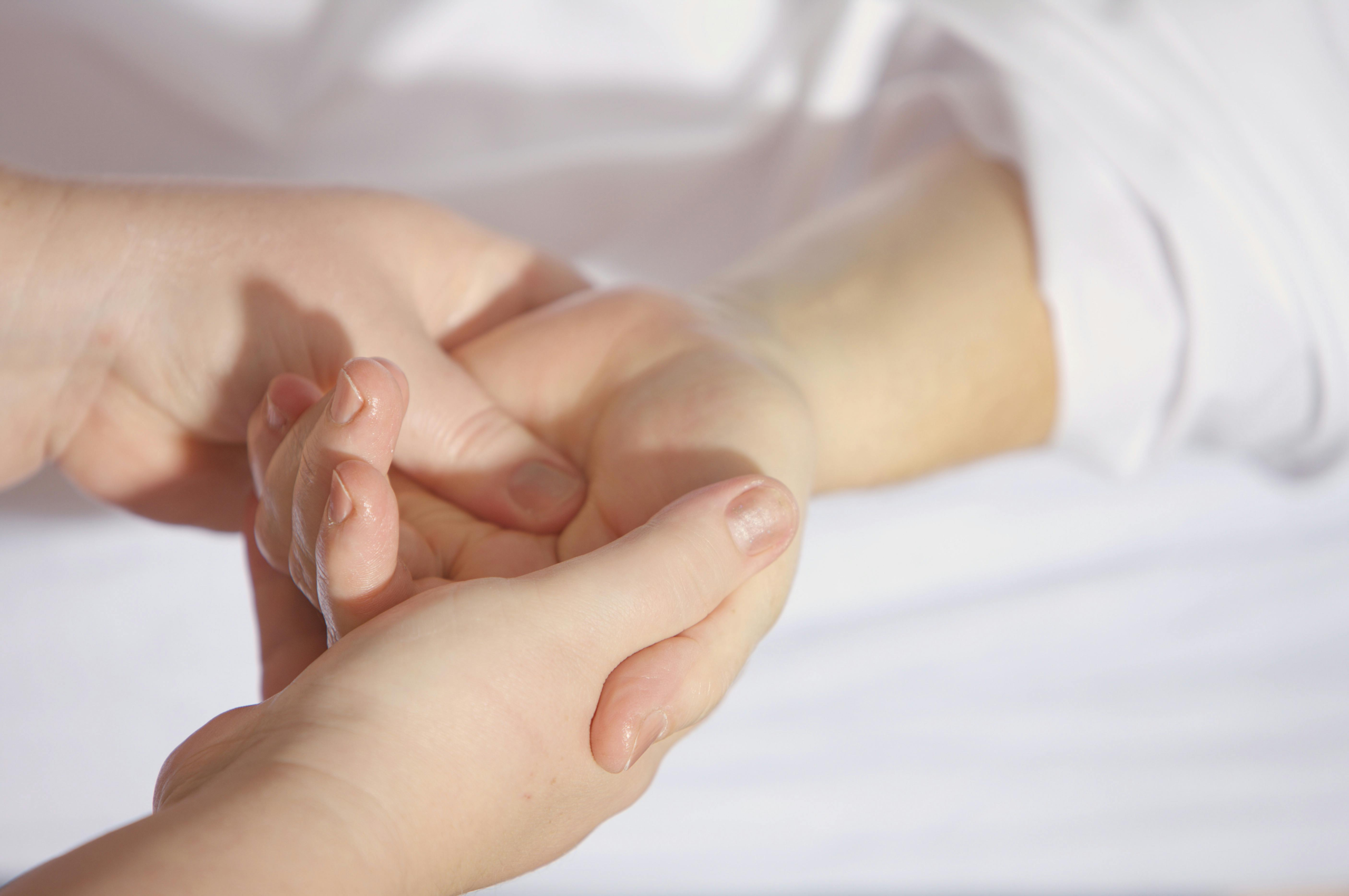
Manual Therapies
Soft tissue mobilization (similar to a massage), myofascial release, muscle energy techniques, and joint mobilization are common manual therapies that may be performed to decrease pain or tension, increase range of motion and stability, and improve balance.

Sleep and Stress Reduction
Tools and techniques are introduced that help reduce feelings of pain and discomfort through improvements in sleep and stress management. A focus on sleep hygiene and modifications, relaxation techniques, guided imagery, deep breathing, and enjoyable activity participation all help calm the nervous system and reduce pain.

Goals and Pacing
Using a collaborative, goal-directed approach, physical activity is introduced in a graded manner that allows gradual introduction and progression. This graded activity provides an opportunity for positive reinforcement of your success with activities that had previously been associated with discomfort.